


Anita was the company’s top performer for three years running. Her analytical skills were unmatched. She could dissect financial models with precision, troubleshoot systems faster than IT, and even out-pitch senior sales reps in client meetings.
So when a leadership position opened up, she was the obvious choice.
But within six months of her promotion, her team was in trouble.
Turnover spiked. Collaboration dropped. A high-potential team member resigned abruptly. Performance reviews from her direct reports were harsh:
- “She doesn’t listen.”
- “Always right, never empathetic.”
- “Brilliant, but impossible to work with.”
Anita had the IQ—but lacked emotional intelligence.
The Manager Who Stabilised a Shaky Team
James wasn’t the loudest voice in the room. In fact, he was often overlooked in leadership discussions. But when a cross-functional team began struggling with missed deadlines, internal conflict, and silos, the Head of HR made an unexpected move—he assigned James to lead.
Within two quarters, things changed.
- Meetings became shorter and more productive.
- Teams stopped blaming each other and started solving problems together.
- Client satisfaction improved as internal chaos reduced.
James didn’t wow anyone with technical brilliance. Instead, he listened deeply, recognised team stress signals early, and resolved interpersonal tension before it became toxic.
He led with emotional intelligence—and it worked.
Why Emotional Intelligence is a Business Priority
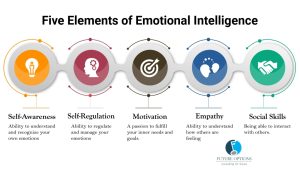
Emotional intelligence (EQ) is the ability to perceive, understand, manage, and regulate emotions—both your own and those of others. EQ is a leadership essential in the modern workplace where collaboration, ambiguity, and pressure are constants.
Here’s why it matters:
| Component of EQ | Business Impact |
| Self-awareness | Leaders understand their limitations and avoid emotional overreactions |
| Self-regulation | Teams remain stable and focused under stress |
| Empathy | Customer experience improves; employee engagement rises |
| Social skills | Cross-functional collaboration becomes easier |
| Motivation | Leaders maintain energy and resilience during long-term projects |
Research shows that 90% of top performers have high emotional intelligence, and EQ is responsible for up to 58% of job performance in leadership roles.
The Future of Talent Assessment is Emotional
At Future Options, we go beyond qualifications and IQ scores.
We assess emotional intelligence using validated tools that help identify candidates and employees who can lead, connect, and adapt—especially in dynamic business environments.
Let’s discuss how we can help you build emotionally intelligent teams that drive results.
